Seat Belt Components
Individual parts from within an assembly — latch plates, webbing, guides, anchor hardware and related fittings — where a buyer needs a component rather than the whole belt.
Automotive Safety Components · Seat Belt Export
Export Enquiries +91 99206 38354 info@autogleam.in
Automotive seat belts and restraint components supplied for export. Each entry describes what the category covers and the typical application — technical detail is confirmed against a specific enquiry rather than published as a generic specification.
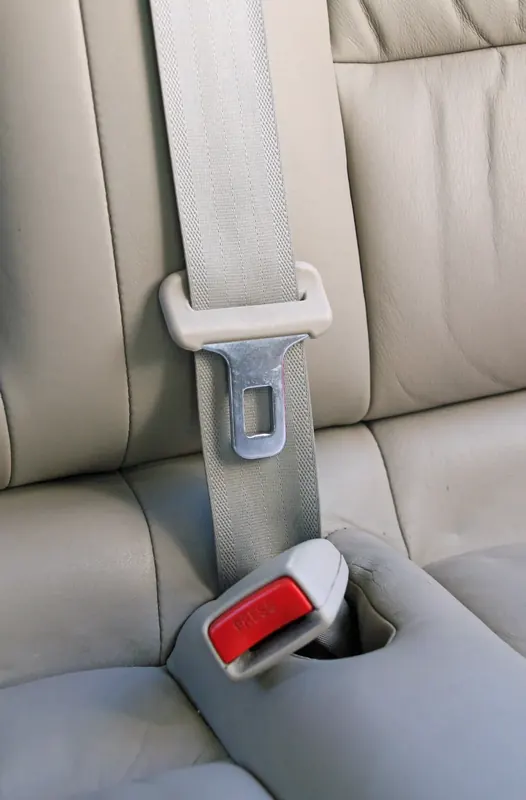
Seat belts for automotive use, supplied against a confirmed vehicle or application. This is the broadest category and the starting point for most enquiries.
A seat belt restrains an occupant in a defined seating position, and its geometry — where the webbing runs, where it anchors and how it engages — is designed around that position. Establishing which position and which arrangement a buyer needs is the first thing we do with any enquiry in this category.
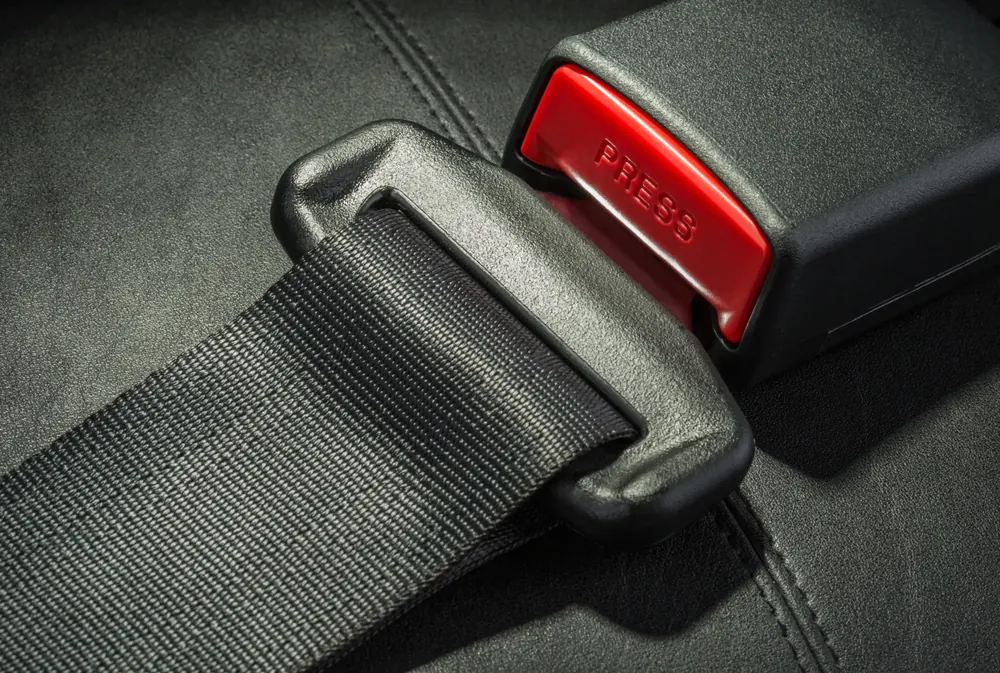
Complete assemblies supplied as a single unit, so the buyer receives the parts that have to work together rather than sourcing them separately.
An assembly brings the webbing, the latch plate, the buckle and the mounting hardware together as one item. For buyers replacing a belt in full, this removes the risk of mismatching a latch plate to a receiver that was never designed to accept it.
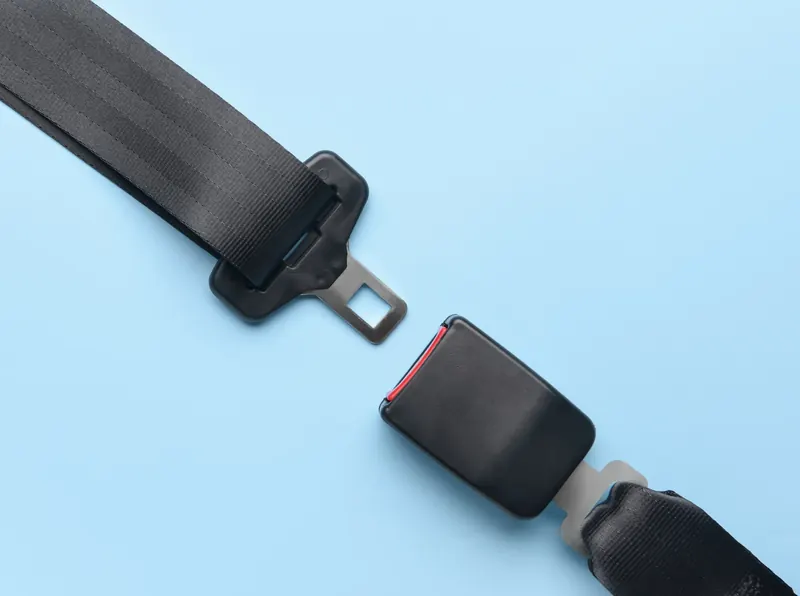
Supply where an existing belt is being changed and the replacement has to match the arrangement already in the vehicle.
Replacement work is where identification matters most, because there is an existing component to match against. That is an advantage: photographs of the belt being replaced, along with its markings and mounting detail, usually make identification far more straightforward than a description written from memory.
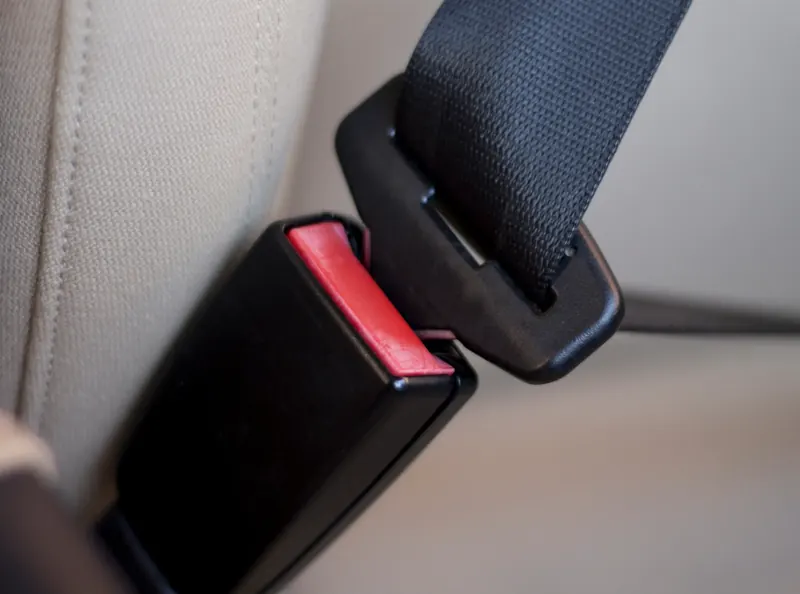
The engaging half of the assembly — where the release mechanism, the tongue profile and the mounting detail together decide whether two parts are compatible.
Buckles and receivers are not interchangeable across arrangements. The latch plate profile has to suit the receiver, and the receiver's stalk, bracket or mounting has to suit the vehicle. This is a category where a photograph is worth considerably more than a written description.
Component-level & application-specific supply
These three entries are handled at component level or case by case. Rather than illustrate them with a photograph of something that may not be what you need, we would rather set out plainly what each covers and what we need from you to answer accurately.
Individual parts from within an assembly — latch plates, webbing, guides, anchor hardware and related fittings — where a buyer needs a component rather than the whole belt.
Related restraint hardware that buyers commonly enquire about alongside seat belts. Availability is confirmed case by case against the specific component and application described, rather than presented as a standing range.
Working to a particular vehicle, an unusual seating installation or a fitment situation that does not sit neatly in a category? Describe it. We will tell you what can be identified from the information you have — and say so if it cannot.
On specifications. We do not publish webbing widths, tensile figures, load ratings, material specifications, retractor or buckle specifications, model numbers, certifications or approvals as general claims on this website. Where such information exists for a specific product, it is shared against a specific enquiry so that what you receive relates to the item you are actually asking about.
Buyer types, market requirements and what differs between destinations.
The inspection framework we would suggest any buyer applies to a restraint component.
From enquiry through identification, preparation and despatch.